Pet-safe flowers for cats and dogs
Before sending flowers to a home with pets: common cut flowers that are highly toxic to cats or mildly toxic to cats and dogs, and what florists can do.
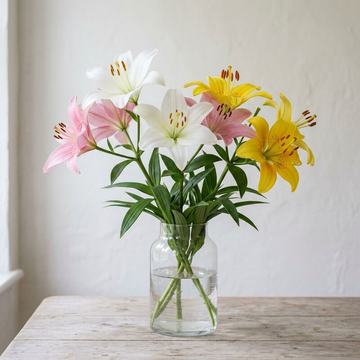
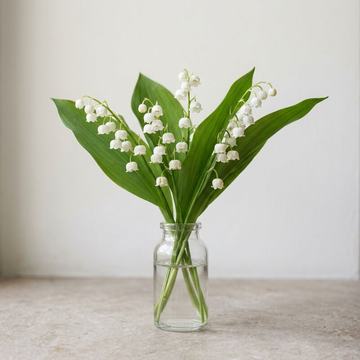
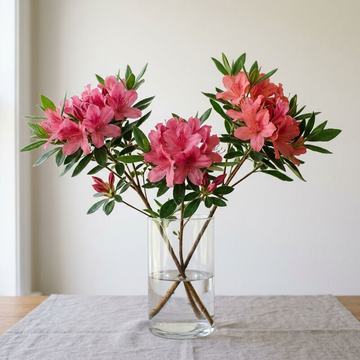
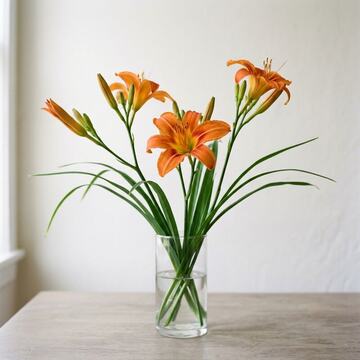
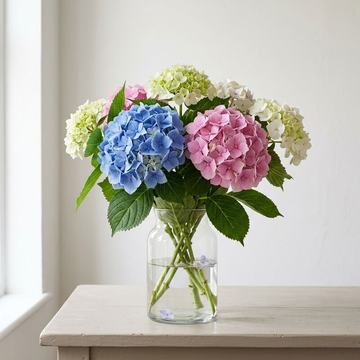
Highly toxic to cats
For florists
Turn this guide into a client design
We fill in the brief from this page. No stock yet? Load the sample flowers and see a recipe, quote and preview image in about a minute. New shops get 30 free credits.
Try it as a design — freeMildly toxic to cats and dogs
- Hydrangea
- Tulip
- Carnation
- Bird of paradise
- Tree peony
- Peony (herbaceous)
- Chrysanthemum
- Narcissus (daffodil)
- Amaryllis (Hippeastrum)
- Iris
- Delphinium
- Anemone
- Eucalyptus
- Monstera leaf
- Winterberry
- Calla lily
- Hyacinth
- Gardenia
- Lavender
- Dahlia
- Anthurium
- Clematis
- Lupin
- Poppy
- Daisy (marguerite)
- Wisteria
- Heavenly bamboo (nandina)
- Asparagus fern
- Ivy
- Holly
- Ranunculus
- Gladiolus
- Sweet pea
- Hellebore
- Allium
- Star of Bethlehem (Ornithogalum)
- Hypericum berries
- Hosta leaves
- Chinese iris
- Red spider lily
- Hardy begonia
- Sacred lily (rohdea)
- Winter daphne
- Oriental bittersweet
- Ti plant (cordyline)
Listed by the ASPCA as non-toxic to cats and dogs
| Flower | ASPCA entry (scientific name) | Vase life | In season |
|---|---|---|---|
| Rose | Rosa species | 5–7 days | Year-round |
| Sunflower | Helianthus | 6–10 days | Summer |
| Gerbera daisy | Gerbera jamesonii | 6–10 days | Year-round |
| Orchids (cut) | Phalaenopsis sp. | 10–21 days | Year-round |
| Camellia | Camellia japonica | 3–5 days | Winter |
| Zinnia | Zinnia species | 5–7 days | Summer, Autumn |
| Celosia | Celosia spicata | 7–10 days | Summer, Autumn |
| Snapdragon | Antirrhinum majus | 7–10 days | Spring |
| China aster | Callistephus chinensis | 7–10 days | Summer, Autumn |
| Alstroemeria | Alstroemeria | 10–14 days | Year-round |
This list holds only flowers we checked one by one against the ASPCA's own pages (on 2026-10-05), so it is short; absence from it does not mean a flower is toxic. Three cautions: ASPCA entries are for specific species — the orchid entry, for example, covers only Phalaenopsis; non-toxic does not mean edible, and any plant can cause vomiting or diarrhoea if enough is eaten; and a single lily in a mixed bouquet makes the whole bouquet dangerous in a home with cats.
What florists can do
- Ask whether the recipient has cats or dogs, and keep it in the client profile.
- Homes with cats: avoid lilies, lily of the valley and azalea entirely; for other toxic flowers, advise keeping them out of reach.
- Floreboard automatically avoids flowers a client's pets cannot be around and flags them in its design review.
FAQ
Which flowers are most dangerous for cats?
Lily, Lily of the valley, Azalea, Daylily. True lilies (Lilium) are especially dangerous: small amounts of petals, pollen or even vase water can cause acute kidney failure in cats.
Is a calla lily a true lily?
No. Calla lilies are not Lilium, but they are still mildly toxic to cats and dogs.
Which flowers are safe for cats and dogs?
Listed by the ASPCA as non-toxic to cats and dogs, and checked by us entry by entry: rose, sunflower, gerbera daisy, orchids (cut), camellia, zinnia, celosia, snapdragon, china aster, alstroemeria. Non-toxic does not mean edible — eating a lot of any plant can still upset the stomach.
If a flower is not on this list, is it safe?
Not necessarily. This list only covers flowers we have flagged; check the ASPCA list for the exact species or ask a vet.